March 08, 2026
Silicone wire is a versatile and increasingly popular choice for a wide range of applications, from electronics and robotics to automotive and medical devices. Its exceptional properties – including high temperature resistance, flexibility, and chemical inertness – make it ideal for demanding environments. This article will delve into the characteristics of silicone wire, its benefits, common applications, and what to consider when selecting the right wire for your needs. Understanding these factors will ensure optimal performance and reliability in your projects.
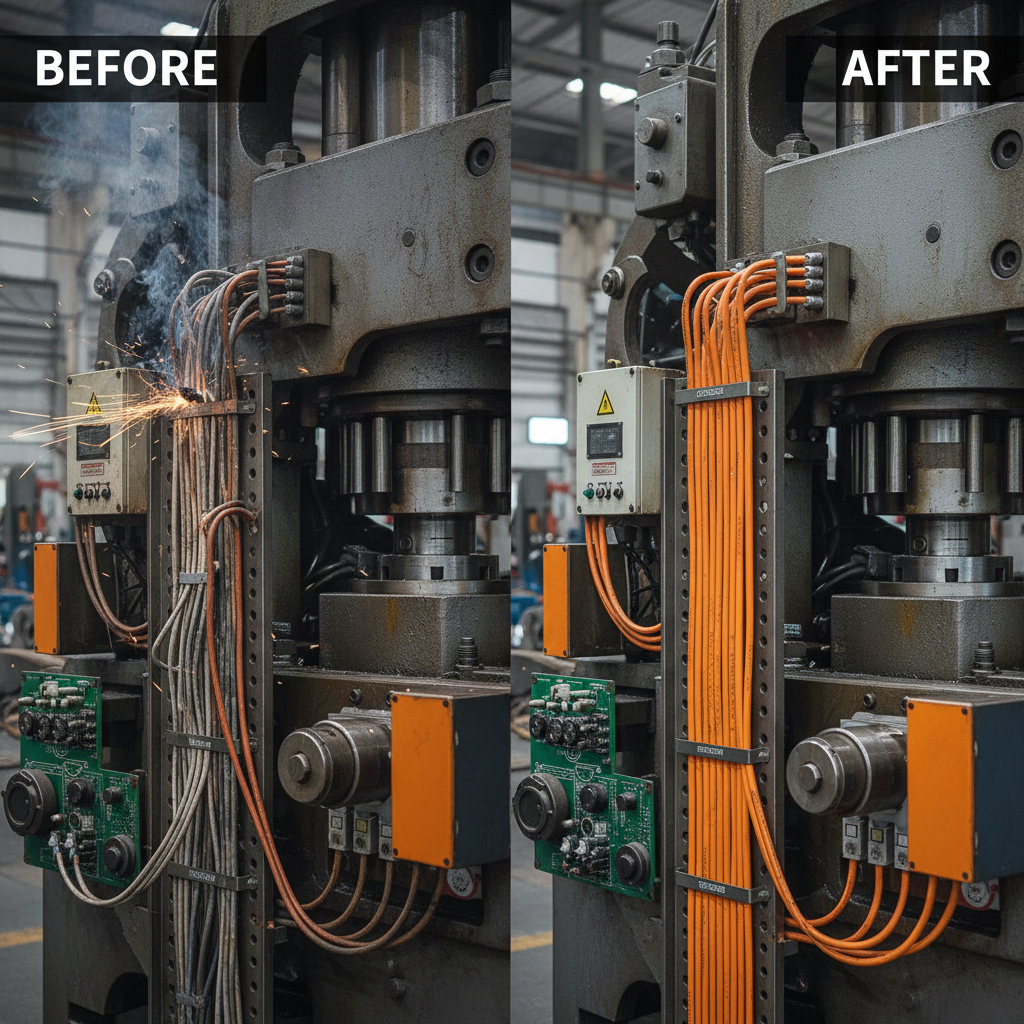
What sets silicone wire apart? Several key properties contribute to its superior performance. First and foremost is its exceptional temperature range, typically from -65°C to +200°C (and even higher with specialized formulations). This makes it suitable for applications where extreme temperatures are present. It's also incredibly flexible, retaining its pliability even in cold conditions. Further, silicone is chemically inert, resisting degradation from oils, solvents, and other harsh substances. This resistance extends to UV radiation and weathering, making it a durable choice for outdoor applications. Finally, silicone wire exhibits excellent electrical insulation properties, ensuring safe and reliable performance. These features make GYF Silicone a trusted supplier for specialized wiring solutions.
Key Highlights: High temperature resistance, exceptional flexibility, chemical inertness, excellent electrical insulation, and UV/weathering resistance.
Polyvinyl chloride (PVC) wire is a common alternative, but it falls short in several key areas when compared to silicone wire. PVC has a narrower temperature range, becoming brittle in cold temperatures and potentially melting under high heat. It’s also less flexible and more prone to cracking with repeated bending. Furthermore, PVC releases harmful fumes when burned, while silicone is relatively non-toxic. In applications requiring high reliability and longevity, silicone wire is the superior choice. The table below summarizes these differences.
The unique properties of silicone wire lead to a diverse range of applications. In the automotive industry, it’s used in sensors, ignition systems, and lighting due to its temperature resistance. Robotics benefits from its flexibility, allowing for complex movements without wire fatigue. Medical devices often utilize silicone wire for its biocompatibility and resistance to sterilization processes. Electronics applications include internal wiring in appliances, lighting, and industrial equipment. Its reliability also makes it ideal for aerospace and defense applications. GYF Silicone provides custom silicone wire solutions tailored to these varied industries.
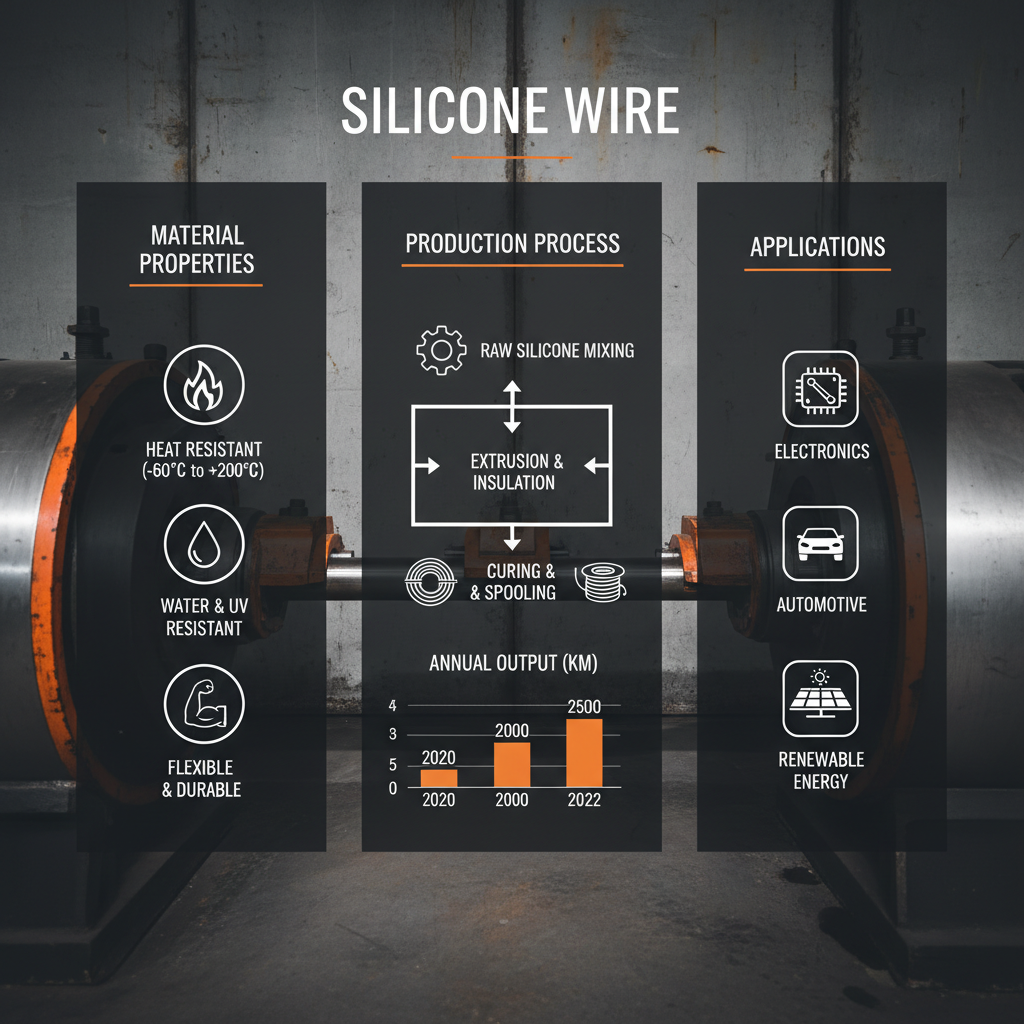
Selecting the appropriate silicone wire requires careful consideration of several factors. First, determine the operating temperature range of your application. Next, assess the level of flexibility needed – stranded wire offers greater flexibility than solid core. Consider the chemical environment and ensure the wire is resistant to any potential contaminants. Voltage and current requirements will dictate the necessary wire gauge (AWG). Finally, compliance with relevant industry standards (such as UL, CSA, or RoHS) is crucial. GYF Silicone’s expert team can assist you in selecting the optimal wire for your specific requirements.
Understanding the specifications is critical for proper implementation. Here's a representative specification sheet – please contact us for a full range of options.
Silicone wire offers significant advantages over traditional wiring solutions, particularly in demanding applications. Its exceptional temperature resistance, flexibility, and chemical inertness make it a reliable and long-lasting choice. By understanding the key properties and considerations outlined in this guide, you can select the optimal silicone wire for your project. Invest in quality and ensure the longevity and safety of your applications.
The lifespan of silicone wire is significantly longer than that of PVC wire, often exceeding 20 years with proper use. However, it depends on the environment and specific application. Factors like exposure to extreme temperatures, UV radiation, and chemicals can affect its longevity. Regular inspection for cracking, abrasion, or discoloration is recommended. Proper installation and avoiding sharp bends will also extend its lifespan.
Yes, silicone wire is excellent for outdoor use. It’s highly resistant to UV radiation, weathering, and moisture, making it a reliable choice for applications exposed to the elements. However, it’s important to select a wire with a suitable outer jacket for added protection against abrasion and physical damage.
Silicone wire is generally more expensive than PVC wire due to the higher cost of raw materials and more complex manufacturing process. However, the increased performance, durability, and lifespan of silicone wire often result in a lower total cost of ownership over the long term. The reliability and reduced maintenance requirements can offset the initial higher price.
Common certifications to look for include UL (Underwriters Laboratories), CSA (Canadian Standards Association), and RoHS (Restriction of Hazardous Substances). These certifications ensure that the wire meets specific safety and environmental standards. Verify that the wire is certified for your intended application and region.
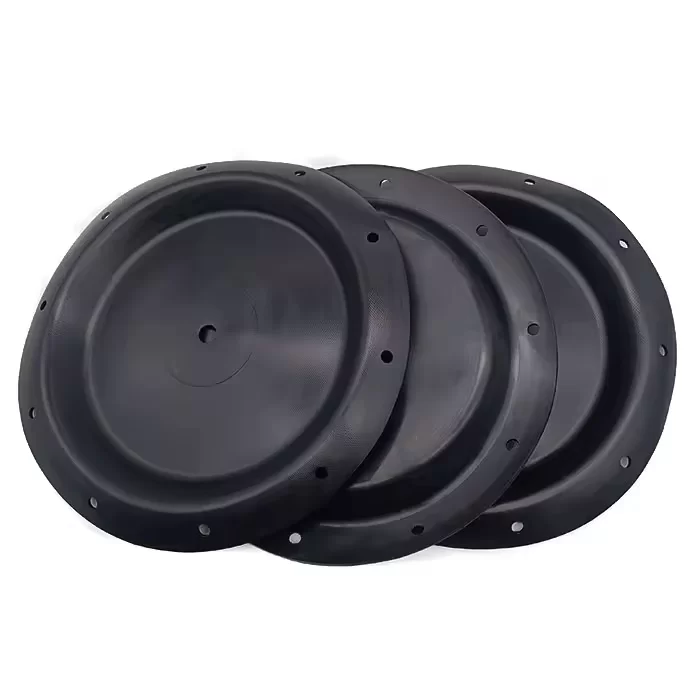
Long Service Life Pneumatic Diaphragm Pump Silicone Rubber Diaphragm
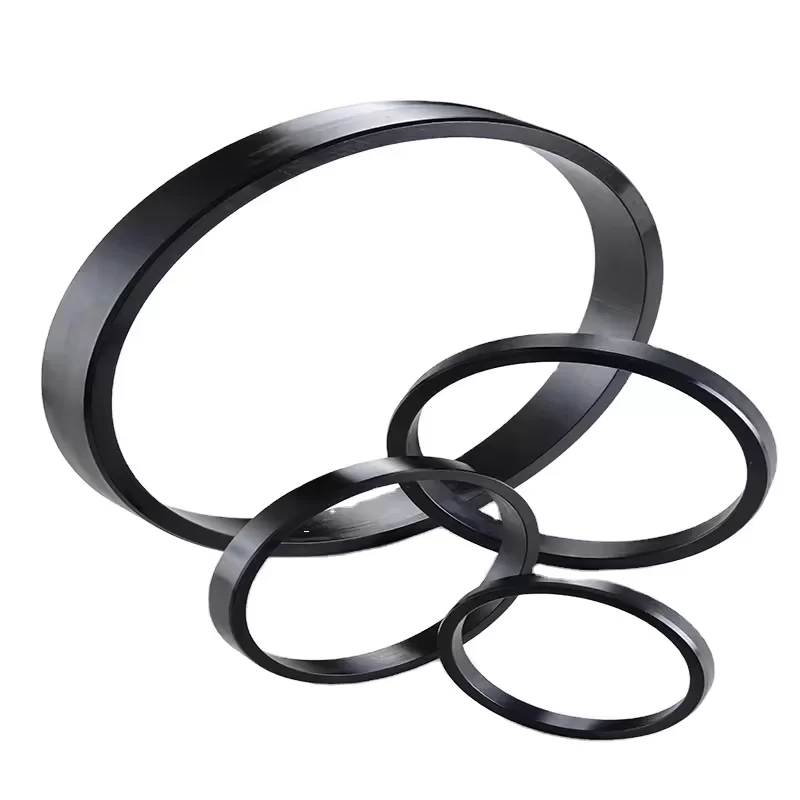
Rubber SealNBR Ring for Hydraulic Cylinders Piston
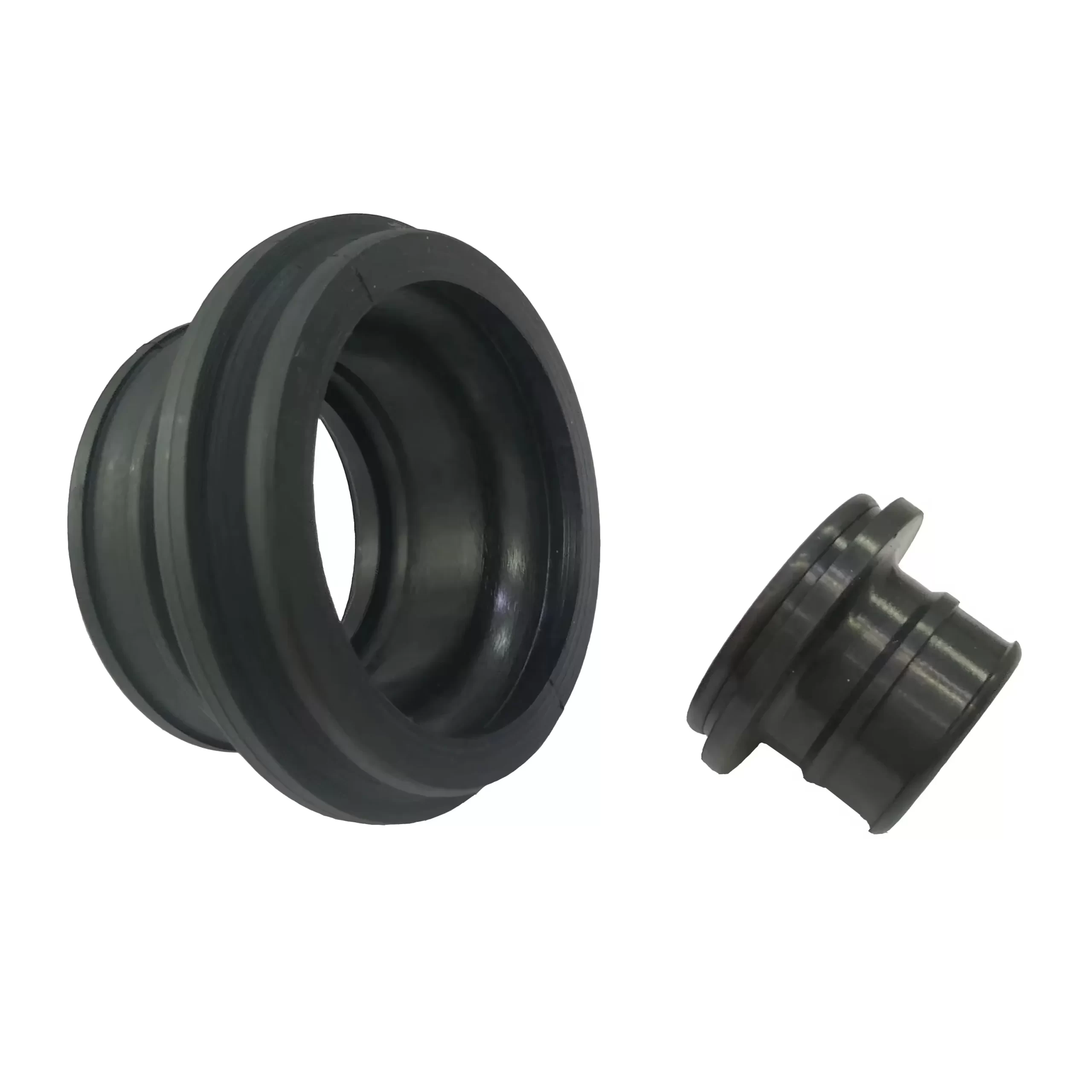
Similar MONO Progressive Cavity Pump Pin Seal
Apr 17, 2026
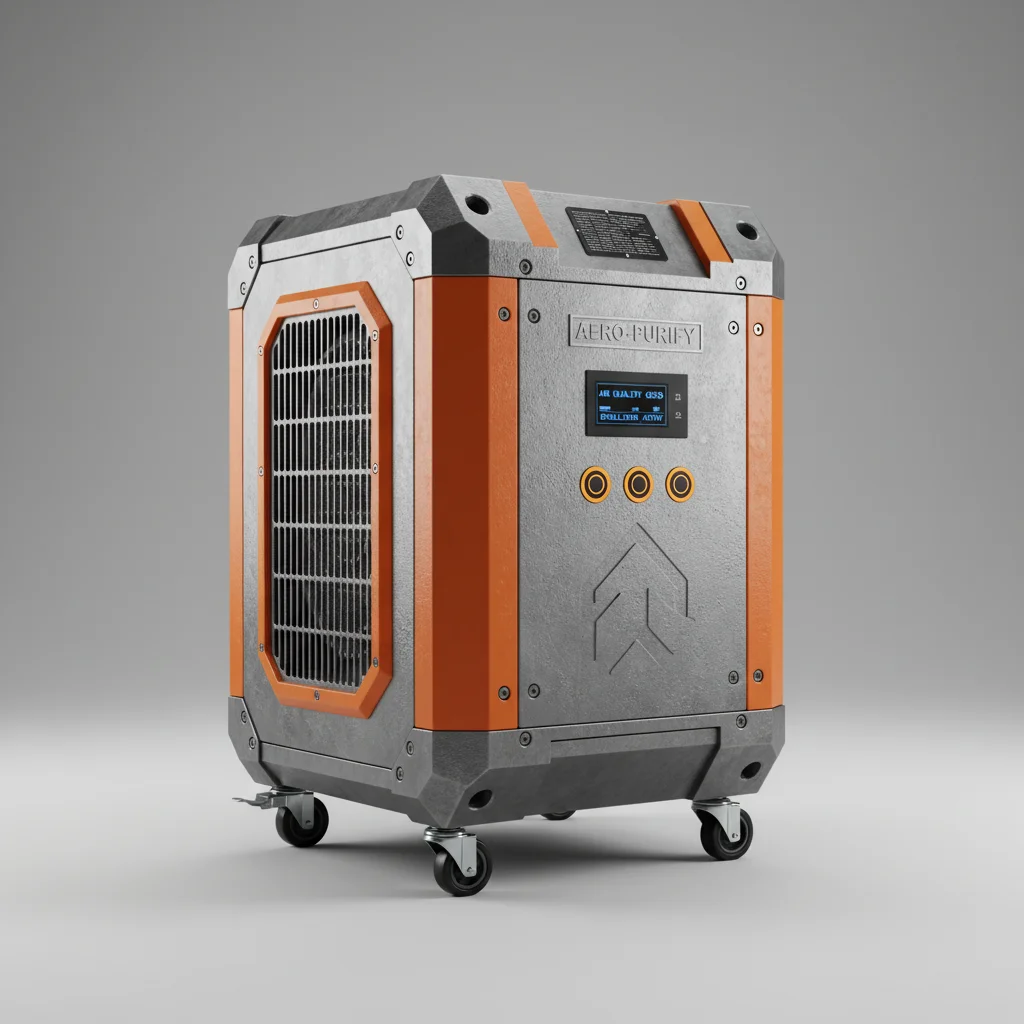
Advanced Air Sterilization Machine for Indoor Air Quality and Safety