March 03, 2026
Ensuring your lunch stays fresh and leak-proof relies heavily on a quality lunch box sealing ring. These small but crucial components prevent spills and maintain food quality. This article will delve into the importance of selecting the right sealing ring, the materials used, applications, and factors to consider when purchasing. We'll explore how a reliable sealing ring contributes to a mess-free and enjoyable lunchtime experience. GYF Silicone provides a variety of high-quality sealing rings for diverse lunch box designs.
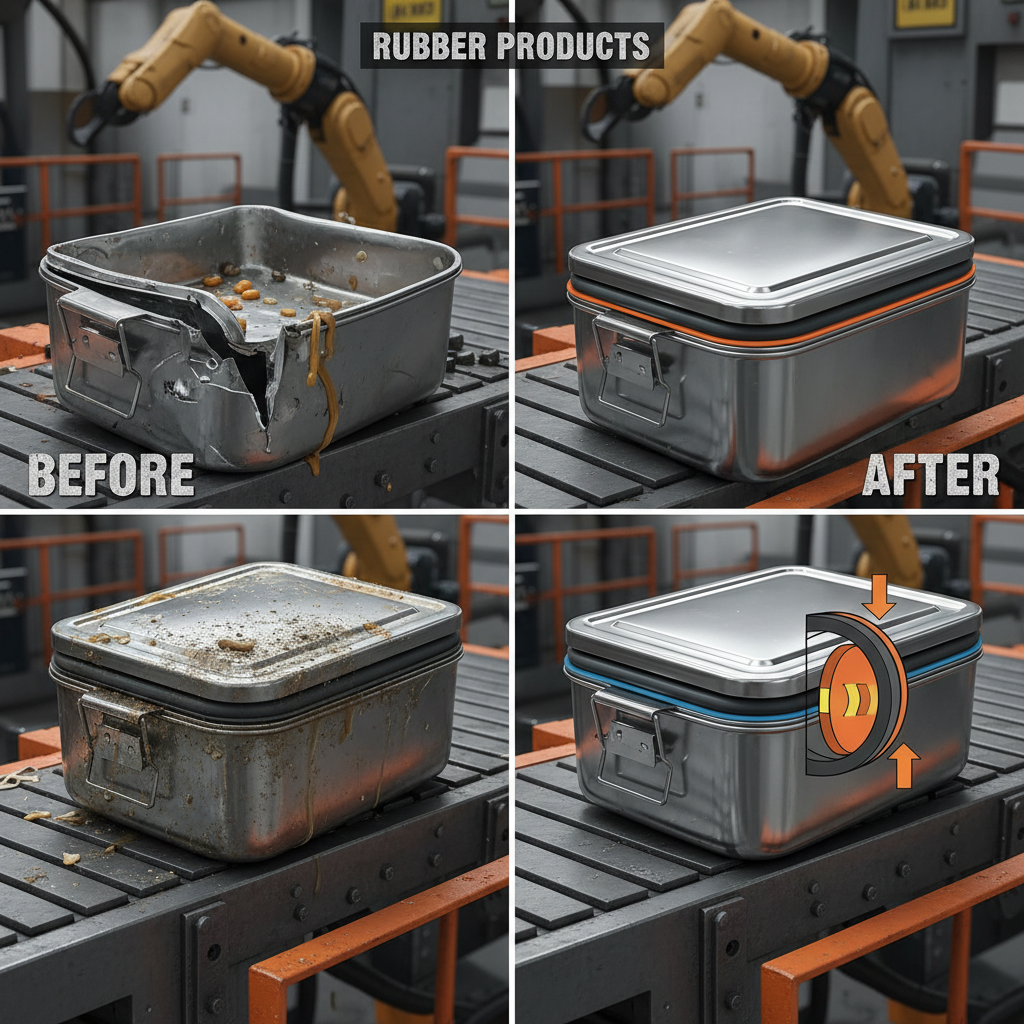
A well-designed lunch box sealing ring is paramount for maintaining food freshness and preventing leaks. Poorly fitted or low-quality rings can result in spoilage, messy spills, and wasted food. The sealing ring creates an airtight barrier, preserving the flavor and quality of your lunch items. It also prevents cross-contamination, keeping different food items separate within the lunch box. The right sealing ring is a small investment that yields significant benefits in terms of food preservation and convenience.
Key Benefits: Prevents leaks, maintains food freshness, avoids cross-contamination, and reduces food waste.
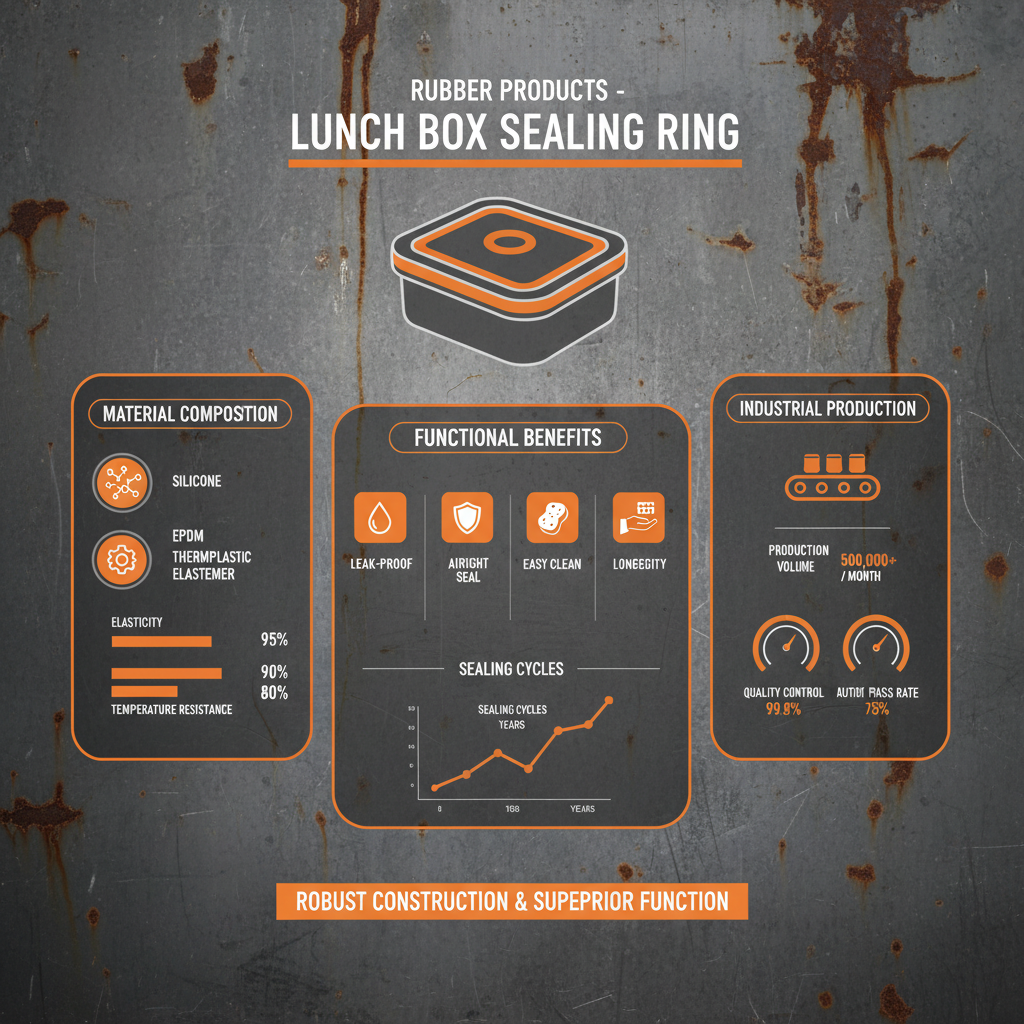
The material of a sealing ring significantly impacts its performance and longevity. Common materials include silicone, rubber, and plastic. Silicone is a popular choice due to its flexibility, durability, heat resistance, and non-toxic properties. Rubber offers good sealing capabilities but may degrade over time. Plastic is the least durable option and can be prone to cracking or breaking. GYF Silicone specializes in high-grade silicone sealing rings that offer superior performance and longevity.
Material Comparison:
• Silicone: Flexible, durable, heat resistant, non-toxic.
• Rubber: Good sealing, may degrade over time.
• Plastic: Least durable, prone to cracking.
Selecting the appropriate lunch box sealing ring depends on several factors, including the lunch box design, the type of food you typically carry, and your desired level of leak-proof security. Ensure the ring’s size and shape precisely match the grooves in your lunch box. Consider opting for a silicone ring for its superior flexibility and resistance to wear and tear. Regularly inspect your sealing ring for any signs of damage or deterioration, and replace it as needed.
Lunch box sealing rings are not limited to just lunch boxes! They find applications in various containers requiring airtight seals. This includes food storage containers, travel mugs, and even some types of portable beverage containers. Their versatility makes them a valuable component across different product lines. The demand for these rings is consistently high due to their essential function in maintaining food safety and preventing messes.
At GYF Silicone, we specialize in manufacturing high-quality silicone sealing rings tailored to various lunch box designs and applications. We offer a wide range of sizes, shapes, and colors to meet your specific needs. Our commitment to quality, competitive pricing, and excellent customer service makes us a preferred supplier for businesses worldwide. Contact us today to discuss your sealing ring requirements!
Don't underestimate the importance of a reliable lunch box sealing ring. It's a small component that significantly impacts your overall lunchtime experience. By choosing a quality sealing ring from a trusted supplier like GYF Silicone, you can ensure a mess-free, fresh, and enjoyable meal every time.
It's recommended to replace your lunch box sealing ring every 6-12 months, or sooner if you notice any cracks, tears, or loss of elasticity. Frequent use and exposure to heat, cold, and certain food types can cause the material to degrade over time. Regular replacement ensures a consistent, leak-proof seal. You should also replace the ring if it becomes discolored or emits an unusual odor. A simple check during each cleaning can help you identify signs of wear and tear.
Silicone sealing rings offer several advantages over other materials. They are highly flexible, durable, and resistant to extreme temperatures. Silicone is also non-toxic and food-grade, ensuring it doesn't leach harmful chemicals into your food. Its excellent sealing properties prevent leaks and maintain food freshness. Additionally, silicone is easy to clean and dishwasher-safe, making it a convenient choice for everyday use.
Cleaning your lunch box sealing ring is simple. You can wash it by hand with warm, soapy water, or place it in the dishwasher (top rack recommended). Ensure it's thoroughly rinsed and dried before reinserting it into the lunch box. Avoid using harsh chemicals or abrasive cleaners, as these can damage the material. Regular cleaning helps prevent the buildup of food particles and maintains the ring's sealing performance.
GYF Silicone offers a wide selection of replacement sealing rings for various lunch box brands and models. We also provide custom sizing options to ensure a perfect fit. You can browse our online catalog or contact our customer support team for assistance in finding the right ring for your needs. We strive to make the replacement process easy and convenient.
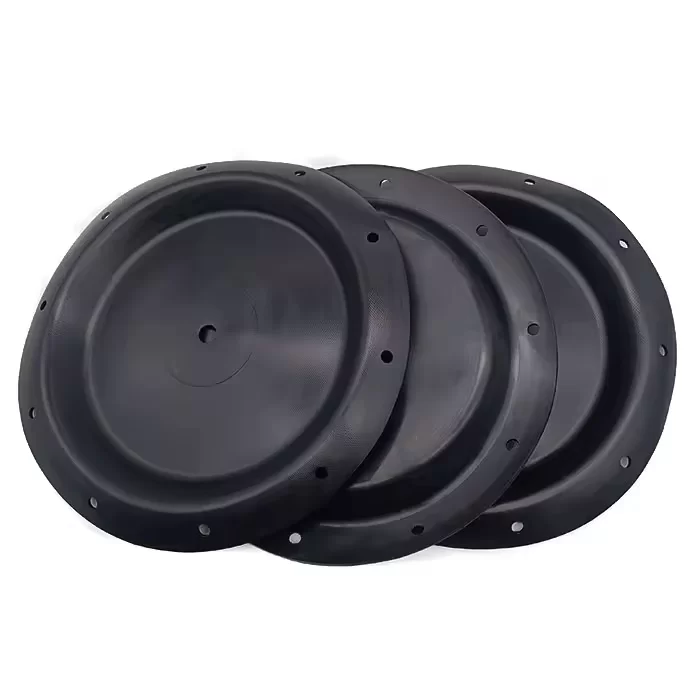
Long Service Life Pneumatic Diaphragm Pump Silicone Rubber Diaphragm
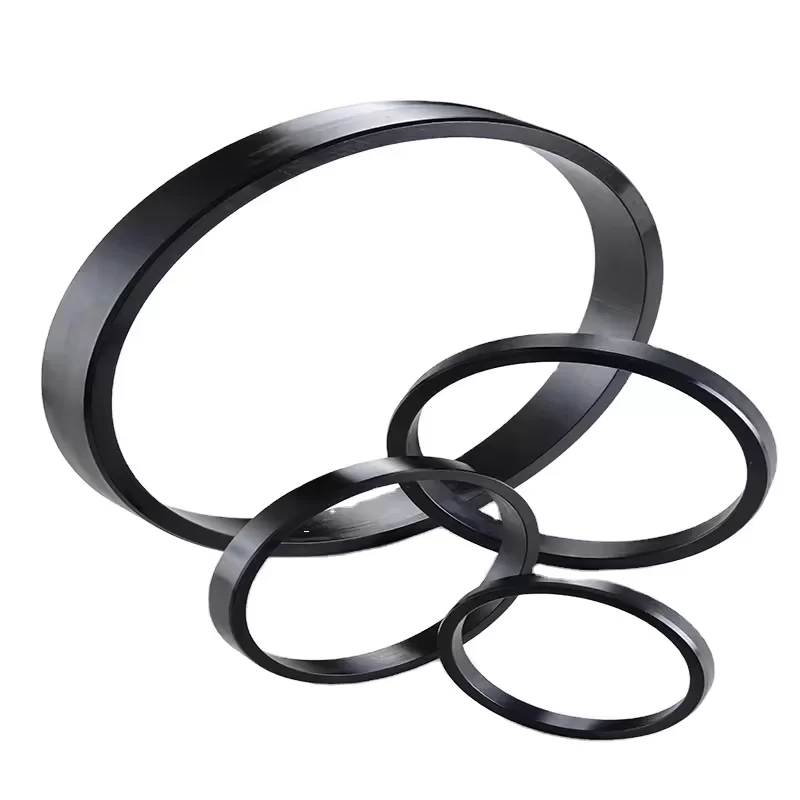
Rubber SealNBR Ring for Hydraulic Cylinders Piston
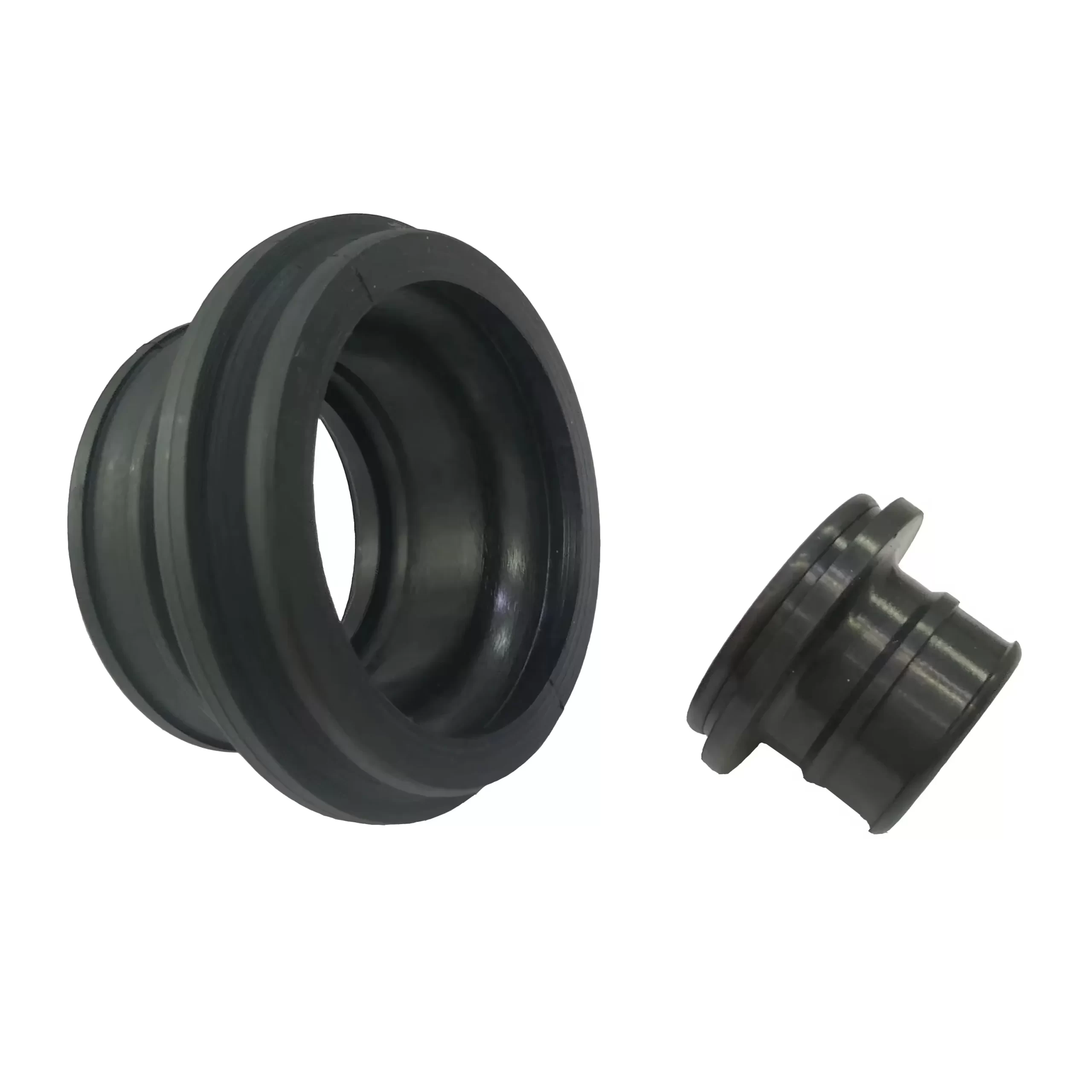
Similar MONO Progressive Cavity Pump Pin Seal
Apr 17, 2026
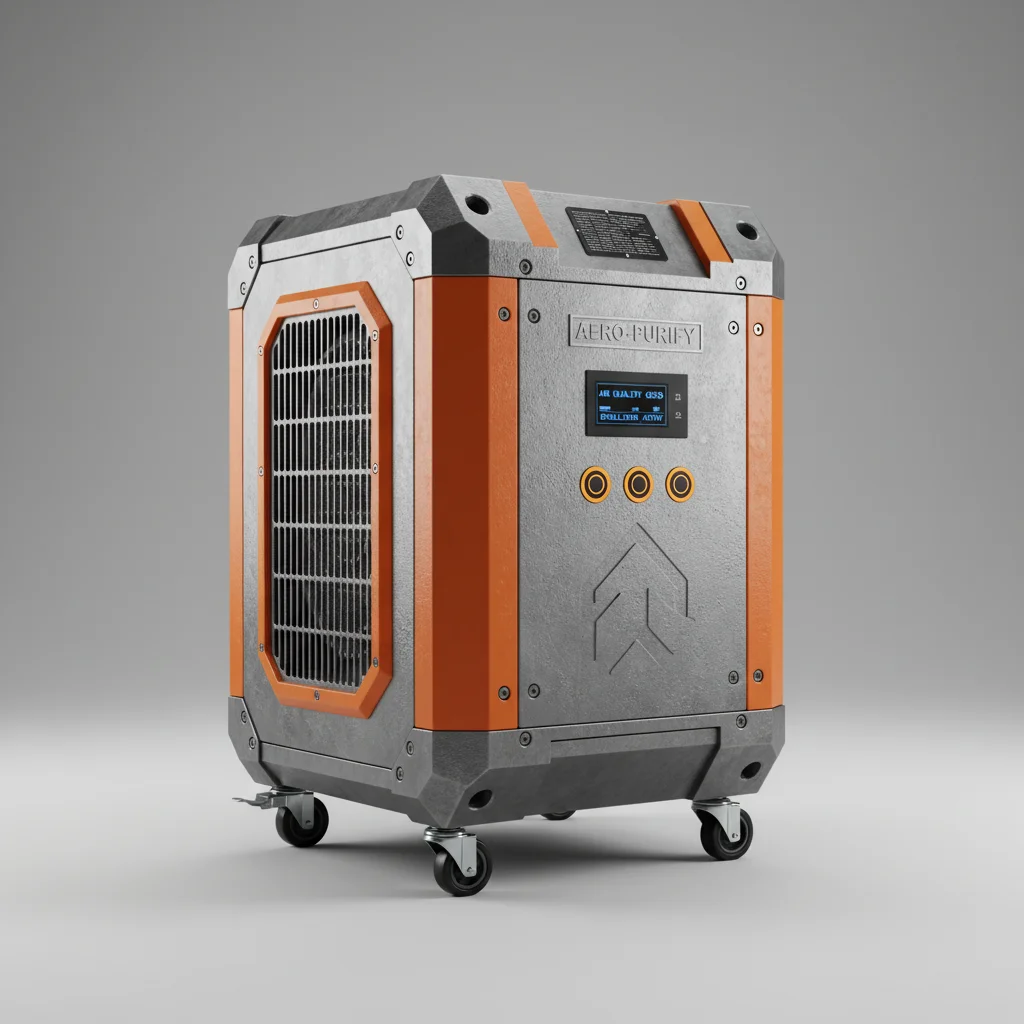
Advanced Air Sterilization Machine for Indoor Air Quality and Safety